Whilst I was growing up, the majority of scams were obvious. Some of that was because the scammers themselves weren’t particularly bright or educated, but some of that was by design.
Let’s say you emailed 10,000 people with a scam. The scam contained numerous spelling errors, and maybe some badly photoshopped logos or pictures. 9,964 people saw that it was an obvious scam, and deleted it. But you have 4 people hooked.
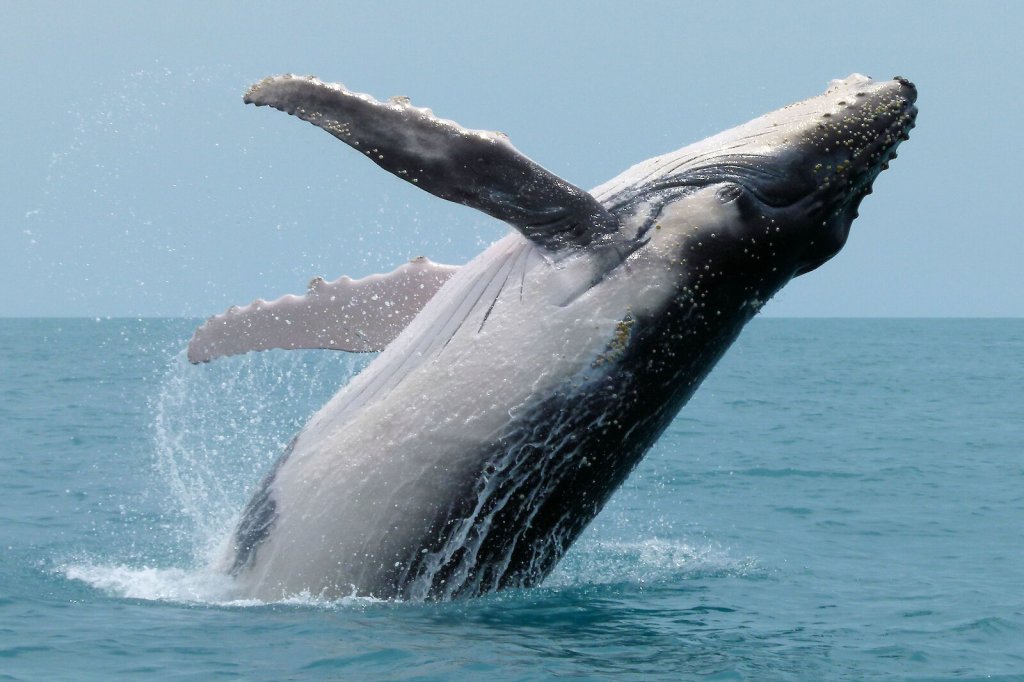
Those 4 people ignored or couldn’t see the obvious errors and issues, because they were careless, ignorant, greedy or desperate. You have now identified your 4 “whales.” (People that you can focus your energy on, and take for everything they have). Those 4 people are more likely to be careless, AND have a high tolerance level for risk. And those people get scammed, some of them repeatedly.
I’m sure most of us can think of newspaper or magazine articles about family members trying desperately to stop their loved one from completely emptying their bank account and selling their homes. Many of these people have fallen victim to the “sunk cost fallacy.” There are also some that just can’t believe that every scam is a scam. Victims would say things like “I get so many messages, surely some have to be genuine?”
Banks have put various protections in place to keep people safe from themselves, but we are now in the era of the smart scammer. Instead of going for the 4 easy targets, scammers now want a larger return, and they have upgraded their approach accordingly.
Scam artists are now often linked with hacking, and this is where we get in to very high risk territory for you, me, and everyone else.
Until this year, I had no idea how sophisticated scams had gotten.
This year I made a booking on booking.com, as I often do. What I didn’t know, was that hackers were scraping that site and collecting data, and so the scam that came my way was something a bit more sophisticated.
I had a message come through on WhatsApp, claiming to be from the hotel that I had booked. The scammer knew my name, the name of the hotel, and the date of the booking. They wanted me to click a link to confirm my booking was still going ahead.
What the scammer had attempted to do was lower my defences by giving me a targeted scam, using genuine information.
What then are the key red flags to look out for?
- WhatsApp.
WhatsApp and text messages have become a scammer’s go-to, and you will see two general types of scams. Type one: text messages pretending to be from Royal Mail or other delivery companies will come to you by text message. Type two: WhatsApp messages coming from someone claiming to be a recruiter or from a hotel.
How can you protect yourself? First, never just click a link. Ever. Have a good look at it, and think, is it reasonable that I would be contacted in this way? Secondly, if in doubt, look up a listed phone number for the service and give them a call. Do not just call any number that may be included in the message you have received, look it up online on their website.
- A sense of urgency.
This is the biggest thing that scams rely on. Click the link now or you will lose your booking! Click the link now or your package will be sent back! You are busy, in the middle of something, but you think “I’ll just look at this now,” and you don’t give it due care and attention.
How was I sure that the message I received was a scam? My defences were lowered, as the message looked very real, but I was mindful that I should take precautions.
I looked back at the original booking email that I had saved from the hotel, and on the email it stated “we will never contact you by WhatsApp” or words to that effect. I reported the message on WhatsApp and then blocked the account for good measure.
However, the experience still made me reassess how safe I was being. On booking.com, I had saved my card details for ease of making future bookings (as I have for various sites that I felt were secure). I now understand that none of these sites are as secure as we would like them to be. Someone was able to look at my account and get genuine data, and target me with a personalised scam.
I cancelled my bank card, ordered a new one, and have not added those new card details to any websites.
https://www.businessinsider.com/why-nigerian-scam-emails-are-obvious-2014-5
https://www.fca.org.uk/consumers/protect-yourself-scams
https://www.citizensadvice.org.uk/consumer/scams/check-if-you-can-get-your-money-back-after-a-scam
https://www.moneysupermarket.com/current-accounts/bank-fraud
The Sunk Cost Fallacy – The Decision Lab
https://www.theguardian.com/technology/2026/apr/13/booking-com-customers-hack-exposed-data


Leave a Reply